Clay information, properties and uses. How to use Clay as a raw ingredient in making your own natural skin care products...
clay
Natural Skin care
natural skincare
natural skincare home pagehome | natural skin care library | courses | consultancy | publications | products | about us | contact us | search:
Click here to order online
All weights and measures used on this site are metric.
To convert weights and measures click here
NB: You must enable pop ups in your browser settings

Clay

clay

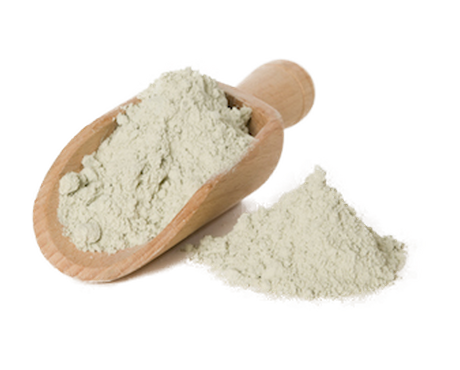
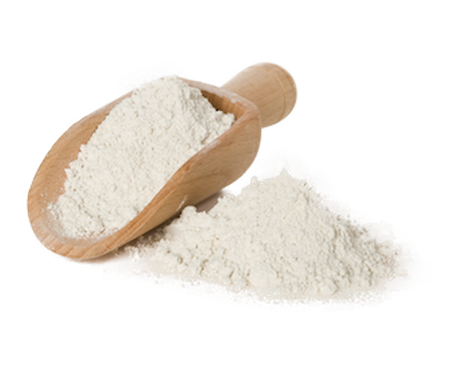
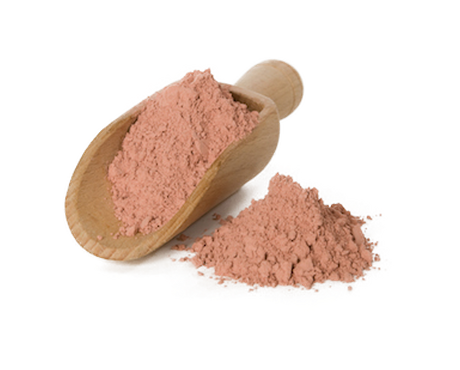
Clay is available in different colours and has a long tradition of internal and external use in natural healing and medicine in many parts of the world. Clay is a solid, fat and moist earth that can be red, green, brown, grey, pink, yellow or white. Each type has its own properties, which are determined by where it comes from and how deeply it is mined. Our Clay comes from France, where it has been dried and ionised in the sun. Clay is mixed with water or Herbal Infusions and other Active ingredients in Creams, Bath and Hair products, Face Masks, Packs, etc.

Blending Clay with other ingredients

When we use Clay in a Recipe we should always sprinkle it over the liquid. Leave it to soak in for 5-10 minutes and then whisk it together.

Clay disperses easily with water, but not with oil. In oil, clay feels hard and grainy - almost like wet rough sand on the skin. For this reason it is best use Clay in products that contain either only water, Hydrolates, Infusions, etc. or products with water and fats together.

NB Don't use it in Ointments, Lip Balms, Massage Oils, etc.


"I took delivery of my order this morning and as usual everything is of fabulous quality. So pleased with everything I have ordered from you so far."
Sandra Larwood

more testimonials >>

When and when not to add a Preservative

If you blend Clay with distilled water, a Hydrolate, Essential Oils, or raw materials such as Aloe Vera, Glycerine or NFF Moisturiser, you don't need a Preservative, you can keep it in a fridge and it will last a few months. If however, you want to keep your product on the shelf and sell it, you will have to add a Preservative. Similarly,  if you blend Clay with tap water or herbal infusions, or with something fatty like Vitamin E Oil, Carotene or Vegetable Oils, then you will need a Preservative.

Properties and effects of Clay

Clay is rich in minerals and active enzymes. Clay treatments stimulate the circulation of blood and lymph, remove dead skin cells and absorb dirt and other surface fats. They also tone and strengthen the connective tissues. Clay stimulates blood circulation and draws toxins and superfluous fat from the skin. It contracts and tones the skin and strengthens the connective tissue. Clay is used for dirty and flaccid skin, acne, for poor blood circulation and to soothe eczema and sunburn. The colour in Green Clay comes from the 44.5% Silica content, which is the most important mineral for the skin. Because of these many properties Clay is very useful for treating the following conditions:

Acne and other skin problems, use the Green Clay in:

  1. Creams
  2. Cleansers
  3. Lotions
  4. Face Masks
  5. Baths

Poor blood and/or lymph circulation, use Clay appropriate to skin type in:

  • Face Masks
  • Body Packs*

Sunburn and general burn damage to skin, use Green Clay in:

  • Creams
  • Lotions
  • Baths
  • Face Masks

A blend of Green Clay, Aloe Vera, and Tea Tree and Lavender Essential Oils is outstanding for all kinds of burns and irritated and sensitive scalp. Use in:

  • Body Packs*
  • Shampoos
  • Hair Packs 

Personal hygiene – if you cannot use ordinary soap, use:

Clay (appropriate to skin type) mixed with a little water and rub on skin and body

For refreshing tired and "washed out" skin, use Clay appropriate to skin type in:

  • Face Masks
  • Body Packs*

For slack or loose skin, use Clay appropriate to skin type in:

  • Creams
  • Lotions
  • Baths
  • Face Masks
  • Cleansing products

*Clay Masks are not only for the face, you can make Clay Body Packs to stimulate blood and lymph circulation or to apply to specific areas of the body in the case of different types of burns.


"Very good overall performance and I am very satisfied"
Frances Arnott

more testimonials >>

Composition of Ionised Green Clay

  • Silica 44.5%
  • Water 25%
  • Aluminium 13.5
  • Calcium 5.5%
  • Iron 4%
  • Coal 3.5%
  • Magnesium oxide 2%
  • Potassium 1%
  • Phosphorous 0.37%
  • Sulphur 0.15%
  • Sodium 0.04%
  • Manganese 0.03%
  • Zinc 0.03%
  • Chlorine 0.01%
  • Other substances 0.37%

CLAY TYPE

SKIN TYPE

GREEN (FINE or ROUGH) NORMAL & PROBLEM
WHITE SENSITIVE
RED NORMAL
YELLOW NORMAL/OILY
PINK DRY/SENSITIVE


ORDER CLAY

Click on the link below to view products available to order within this category:

Order Clays

Recipes containing Clay

Foam Baths and Shampoos

For Foam Baths or Shampoos, add 5-10% Clay to your product.

  1. Simply sprinkle the Clay in and allow to settle.
  2. Always shake before use as the Clay sinks to the bottom.

Clay Face Masks

Simple Face Mask

For a very simple Face Mask:

  1. Sprinkle your Clay of choice over equal amounts of water.
  2. Leave it to soak in for 5-10 minutes.
  3. Whisk it together.
  4. Optional - Stir in a small quantity of Essential Oils (1-10 drops per 100ml).

NB: No heating required

Clay Mask for Sensitive Skin

(Makes 100ml)

Stage 1

  • 20ml Chamomile Water
  • 23ml Spring Water
  • 12 drops Parabens / Preservative 12
  • 50g Pink Clay

Stage 2

  • 6ml Apricot Kernel Oil
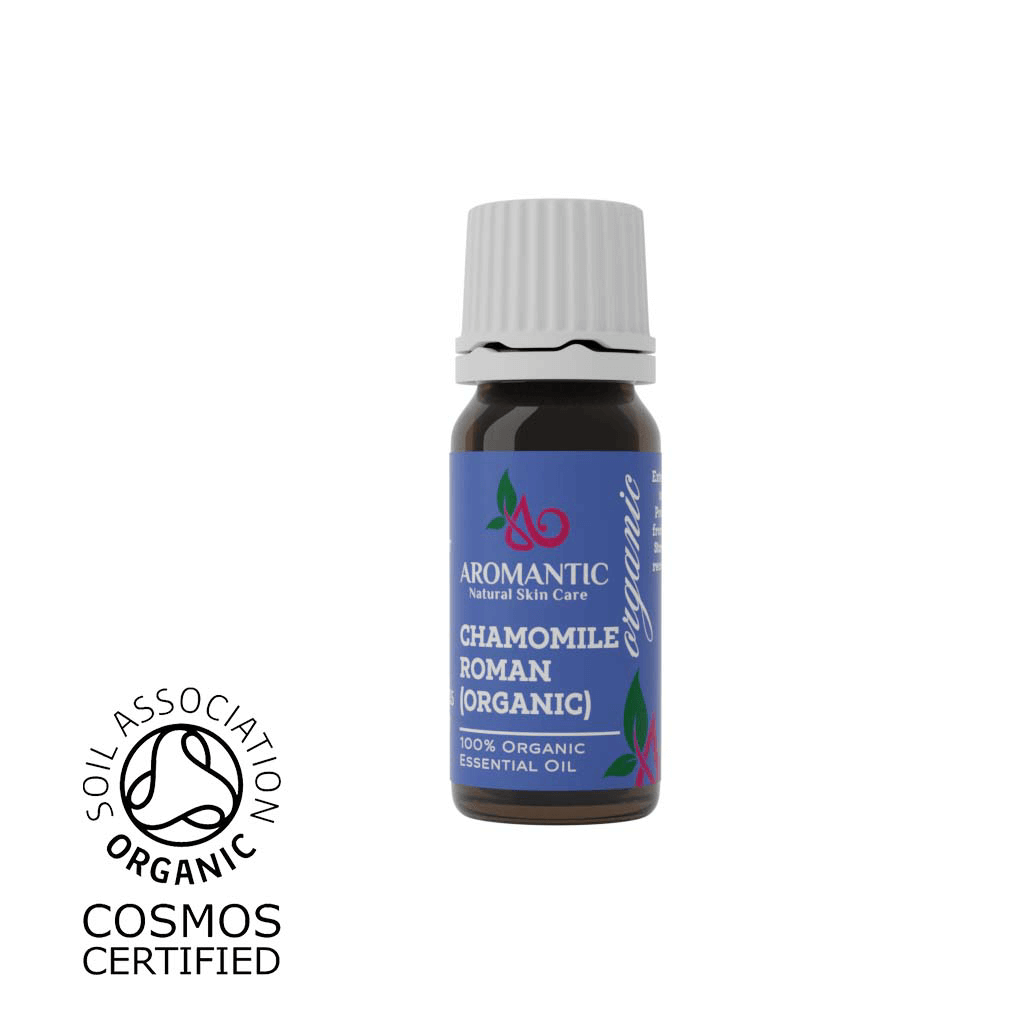
  • 1 drop Roman Chamomile Oil (optional)

Method:

Stage 1

  1. Mix the Chamomile Water, Spring Water and Preservative together.
  2. Sprinkle the Clay over this liquid mixture.
  3. Leave it to soak in for 5-10 minutes.
  4. Whisk it together.

Stage 2

  1. Stir in the Vegetable and Essential Oils.
  2. Spoon into a jar or tub and label.
Order Recipe Ingredients

Select which of the ingredients for the recipe "Clay Face Mask for Sensitive Skin" you wish to order:

Chamomile Water (Organic)
Parabens
Preservative 12 (P)
Pink Clay, Ionised (Fine)
Apricot Kernel Oil (Organic)
Roman Chamomile Essential Oil (Organic)

NB: Clicking the button below will add the above items to your shopping cart. You can still remove these items or change any product options before proceeding to checkout.

Cleansing Gel with Clay...

Here Xanthan Gum and water provide the framework, which together create a Skin Gel. To this can be added the Clay, [Paraben] Preservatives and any other ingredients if applicable.

[NB! The Clay must be sprinkled into the water. Allow it to settle without disturbing it. The Xanthan Gum is beaten in vigorously at Stage 1.
In Stage 2 the Essential Oils are added while stirring carefully.

These Gels are sufficiently liquid to be stored in bottles. If you wish to make thicker Gels to keep in jars, add an additional 0.5g Xanthan Gum to your Recipe.]

Cleansing Gel with Clay

(Makes 100ml)

Stage 1

  • 94ml Orange Flower Water
  • 5g Green Clay
  • 12 drops Parabens /Preservative 12
  • 1g Xanthan Gum

Stage 2

  • 3 drops Lemon Essential Oil
  • 2 drops Clary Sage Essential Oil

Method:

Stage 1

  1. Sprinkle the Clay over the Orange Flower Water.
  2. Leave it to soak in for 5-10 minutes.
  3. Add the Preservative and whisk it together with the Clay and Flower Water.
  4. Beat the Xanthan Gum vigorously into this mixture.

Stage 2

  1. Stir in Essential Oils carefully until it is evenly distributed in the Gel.
  2. Spoon into a jar or bottle and label.
Order Recipe Ingredients

Select which of the ingredients for the recipe "Cleansing Gel with Clay" you wish to order:

Orange Blossom (Neroli) Water
Parabens
Preservative 12 (P)
Green Clay, Ionised (Fine)
Xanthan Gum
Lemon Essential Oil (Organic)
Clary Sage Essential Oil (Organic)

NB: Clicking the button below will add the above items to your shopping cart. You can still remove these items or change any product options before proceeding to checkout.

These are just some ideas for Clay Recipes - they were taken from Starter Pack 5: "How to Make Your own Natural Face Masks" and Recipe Brochure 9: "Skin Cleansers".

Order Recipes and Educations Packs

Click on the link below to view products available to order within this category:

Aromantic Publications

Top

Natural Skin care Library

Aromantic Company Information

About Aromantic
Customer Testimonials
Contact Aromantic

Kolbjorn Borseth CAM Award 2009 Kolbjorn Borseth CAM Award 2009

How To Make...

Creams and Lotions - Tips
Natural Skin Care Products
Natural Cosmetics
Natural Soap
Spa and Bath Products
Bath Treatments
Compresses
Face Masks
Lip Balms
Massage Oil
Ointments
Seaweed Body Wrap
Skin Cream
Skin Gel
Swedish Massage Oils

Natural Skin Care Courses

Introduction to Aromantic Courses
Course Venues

U.K. Courses:

Beginners Course in Natural Skin Care
Intermediate Course in Natural Skin Care
Advanced Course in Natural Skin Care
Theory Day on how to use our main Cosmetic Raw Materials
Advanced Course in Natural Hair Care
Advanced Spa Products 1
Advanced Spa Products 2
Anti-Wrinkle/Skin Rejuvenation Products Course
Advanced Course in Massage Products
Optimising and Prescribing Vegetable Oils for Different Skin Types: Advanced Day 1
Optimising and Prescribing Vegetable Oils for Different Skin Types: Advanced Day 2
Complying with Legal Requirements Course


Raw Materials

Fair Trade Products
Raw Materials In-Depth
Dangers of commercial skin care products
Our Policy on Raw Materials
Sourcing and Origin of Raw Materials

Active Raw Materials -
for adding to our Seaweed and Clay
Face Masks and Body Wraps

Base Products
Beeswax
Clays
Cold Emulsifier (Organic)
Colours
Colours - Pearlescent
Herbs for Skin Care and Hair Care
Preservative K
Pseudo Collagen
Rosehip Seed Oil
Seaweed
Seaweed Body Wraps
Thyme 4 Seasons
Siberian Ginseng
Vegetable Oils / Fats for Cooking
Vitamins used in Skin Care

Essential Oils

Essential Oils - General Information
Using Essential Oils

Natural Treatments for...

Acne
Eczema
Psoriasis
Sensitive Skin

Product Information

Aromantic Ltd 2009/10 Catalogue Aromantic Ltd 2009/10 Catalogue
Aromantic's Current Price List Aromantic Ltd Current Price List
Aromantic Ltd Autumn Product Update Aromantic Ltd Autumn 2009 Product Update
Aromantic Ltd Spring 2009 Product UpdateAromantic Ltd Spring 2009 Product Update
Benchmark Thyme University Research Paper Benchmark Thyme University Research Paper
Aromantic's Declaration on Animal Testing Aromantic's Declaration on Animal Testing

Base Products
Colours
Colours - Pearlescent
Education Packs and Recipes
Starter Packs

Legal Issues & Regulations

E.U. Regulations on Cosmetics - 1999E.U. Regulations on Cosmetics - 1999
E.U. Cosmetics Regulations Amendments - 2003E.U. Cosmetics Regulations Amendments - 2003


Copyright © 2001-2009 AROMANTIC Ltd. All rights reserved.

Aromantic Ltd is a company registered in Scotland, U.K. Company No. SC299277.
VAT Reg. No. 683 0879 01

To visit our link partners click here

Aromantic Information Page: Clay

Read More